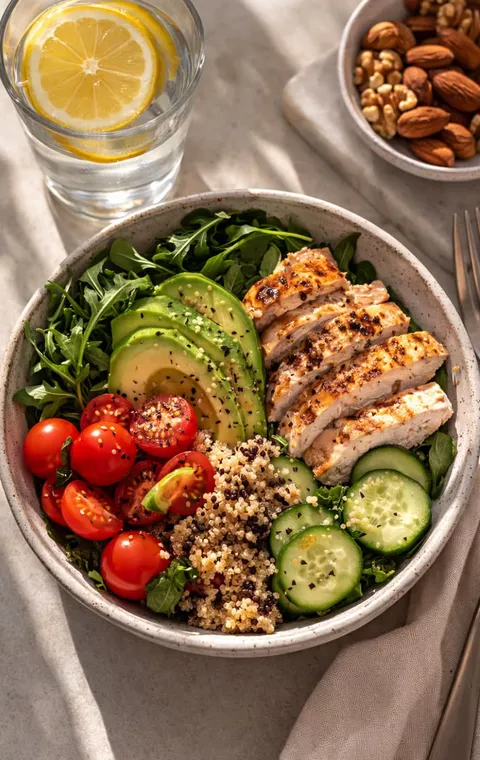
Eat well, even when eating feels different.
● Practical nutrition for a changing appetite
● Practical nutrition for a changing appetite

Is for people eating less than they used to, and for the people cooking for them. Protein, fluids, fiber, and the nutrients that matter most — worked out for smaller portions, rather than for an appetite you no longer have.
No diet culture · No shame · No one-size-fits-all meal plan
"Whether your appetite changed because of GLP-1 treatment, weight loss, recovery, stress, or another reason, the goal is the same: make the food you can manage count."
When you feel full sooner, skip meals without meaning to, or tolerate fewer foods, getting enough nutrition can become difficult. Large portions may no longer work. Advice designed for a typical appetite may stop being useful.
Appetune helps you focus on what matters most: protein, hydration, digestion, nutrient density, strength, and meals you can realistically finish.
Appetune is new, and most of this site is still empty. Guides, tools, recipes, and research briefs stay in draft until a qualified reviewer has signed them off, and that reviewer network is still being recruited. An empty page is easier to explain than an unreviewed one.
The Appetune Nutrition Planner is not built yet. When it is, it will start from how often you are managing to eat, which textures are going down at the moment, what you are avoiding and why, and the one thing you most want to be different.
What it will hand back is a shape rather than a prescription: a protein range to take to your care team, a way of spreading it across the meals you actually eat, a drinking routine attached to your day, and a short list of questions for your next appointment. It will not set a personal target for you. Someone who knows your history does that.
See what the planner will doNot built yet · No account needed · No diagnosis
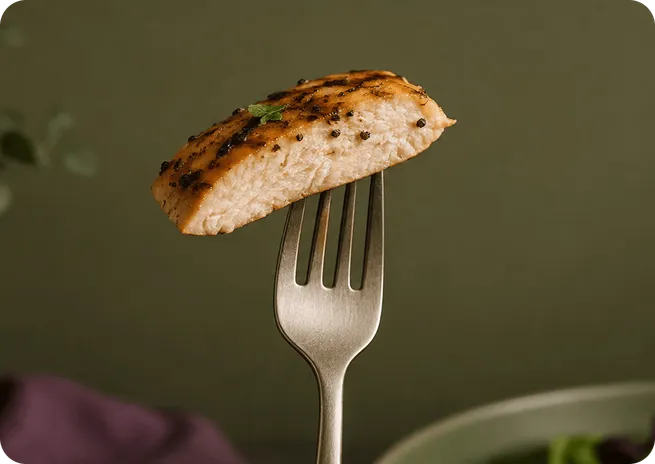
It will compare foods by protein per portion you can realistically finish, per calorie, and per gram — filtered by texture, preparation time, and what you are avoiding.
See what it will do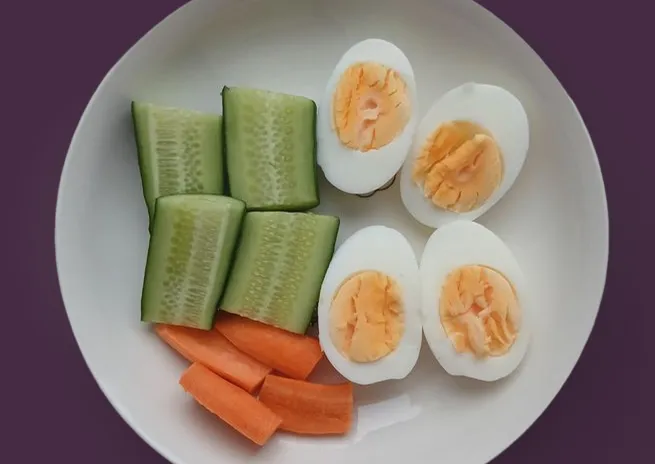
It will put small meals together from portion size, the textures you can manage, the foods that are going down, and how much effort the day allows.
See what it will do
It will build a drinking routine around the fixed points already in your day, rather than a daily total to remember — and it will work inside any restriction your care team has set.
See what it will do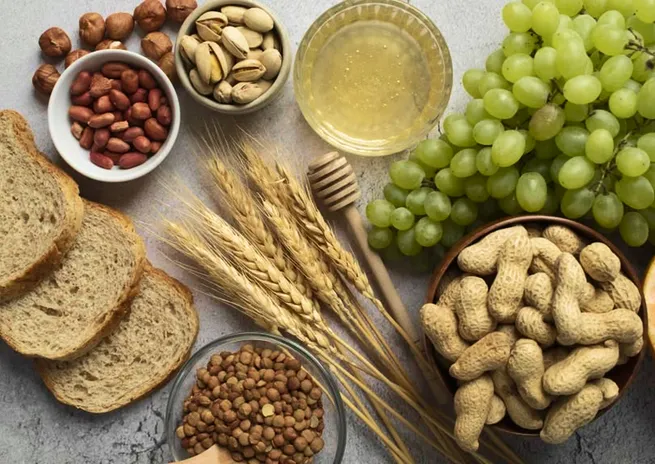
It will step fiber up slowly alongside fluid, and track what happens: bloating, constipation, loose stools, or nothing at all.
See what it will do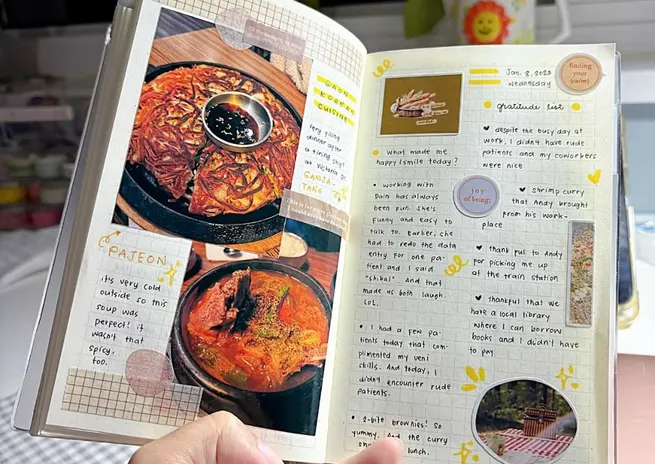
It will hold a dated record of food, portion, timing, and what followed, so a pattern is on paper instead of in your memory when you get to an appointment.
See what it will doGuidance for every stage · Find your stage · No one-size-fits-all meal plan
Nutrition needs change through treatment, so the guidance is split by stage rather than by topic — including one stage for the person doing the cooking.
Each pathway will gather the guides, symptom information, tools, and clinician questions that are relevant while you are actually in that stage. The pathways are mapped; the guidance in them is still in draft.
Being built — start with your current appetiteFind your stage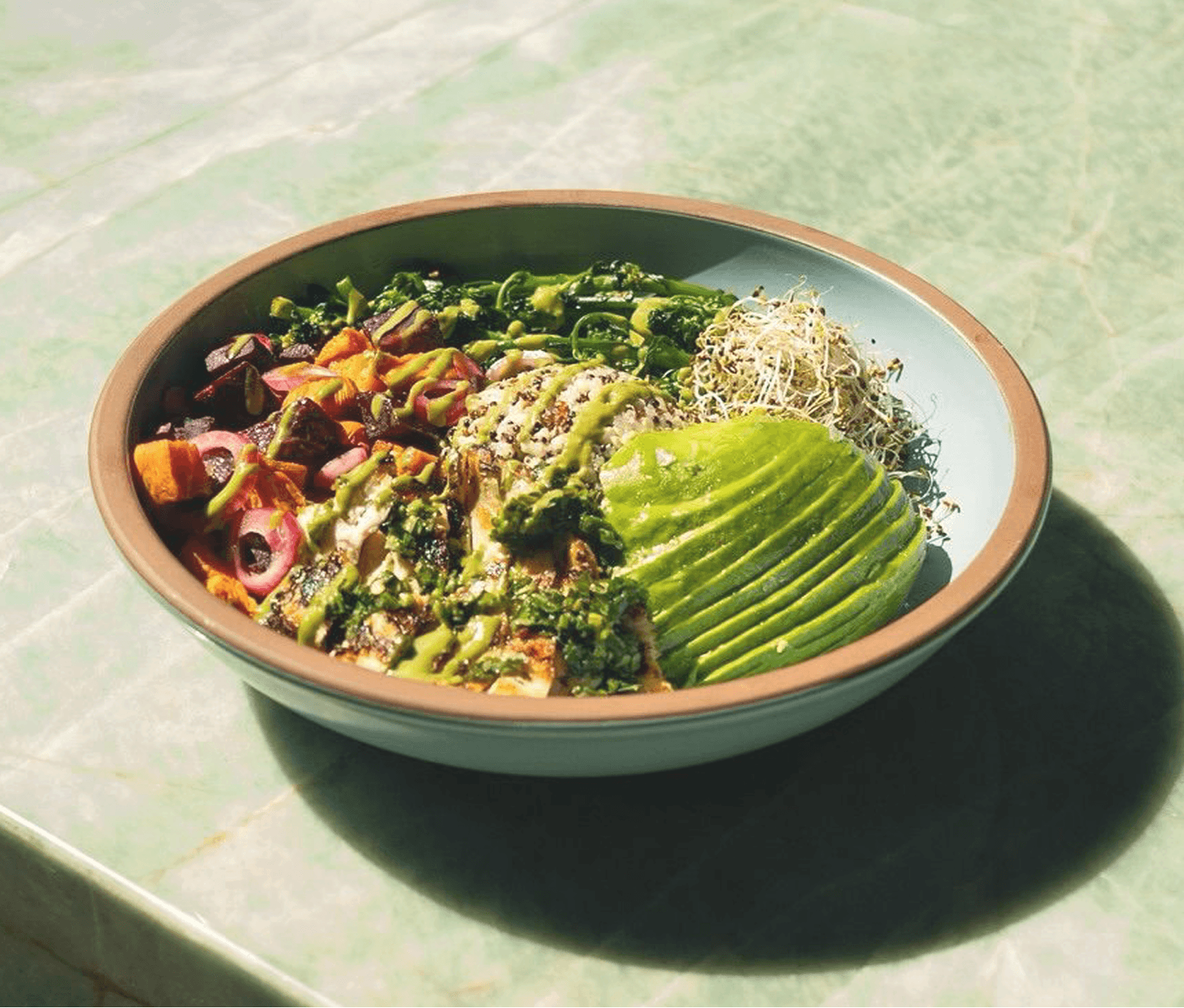
Recipes are led by texture, because texture is usually what decides whether a plate gets eaten — then prep time, then what the portion actually contributes. Each one gives a lower-effort version for a bad day, and a note for whoever is doing the cooking.
A recipe publishes once it has been cooked, tested, and had its nutrition figures recalculated from food-composition records. The two on the site are still in draft, and their figures are marked as illustrative until that recalculation is done.
Designed for the appetite you haveExplore small-appetite recipesA medication page here is a plain-language account of what the official label contains — approved uses, common adverse reactions, major warnings, storage — with the prescribing information linked from the top. Those summaries are being written and none has been checked against a current label yet, so the link to the label is the part to use today.
We do not recommend doses, tell you to change medication, or replace your prescriber.
Nutrition during weight loss and GLP-1 treatment is developing quickly. Appetune separates established guidance from early evidence, explains limitations, and updates content when recommendations, labels, or safety information change.
Every advice-bearing page names its author, its reviewer, the date of that review, and the sources behind it before it is allowed to publish. No brief is published yet.
We do not use shame, fear, before-and-after imagery, or language that treats a smaller body as a moral achievement.
Read our editorial standardsThe plan is one useful food strategy, one reviewed answer, one small-appetite meal idea, and one research or safety update worth knowing.
Signups are not open yet. There is no first issue to send — nothing on the site has cleared review — so the field is switched off rather than quietly dropping your address.
Not open yet · No diet-culture noise when it is
Whether you are the one eating less or the one cooking for someone who is, start from the appetite that is actually in the room today.